On 5,000 square meters of exhibition space, the Dresden Transport Museum presents exhibits on railways, road traffic, air traffic and shipping. Opened back in 1956, the museum in the heritage-listed Johanneum building on Neumarkt now attracts around 200,000 visitors per year. With an interactive dynamic mix lab and a modern Transport Garden, we are currently creating a new world of experience on the museum’s second floor .
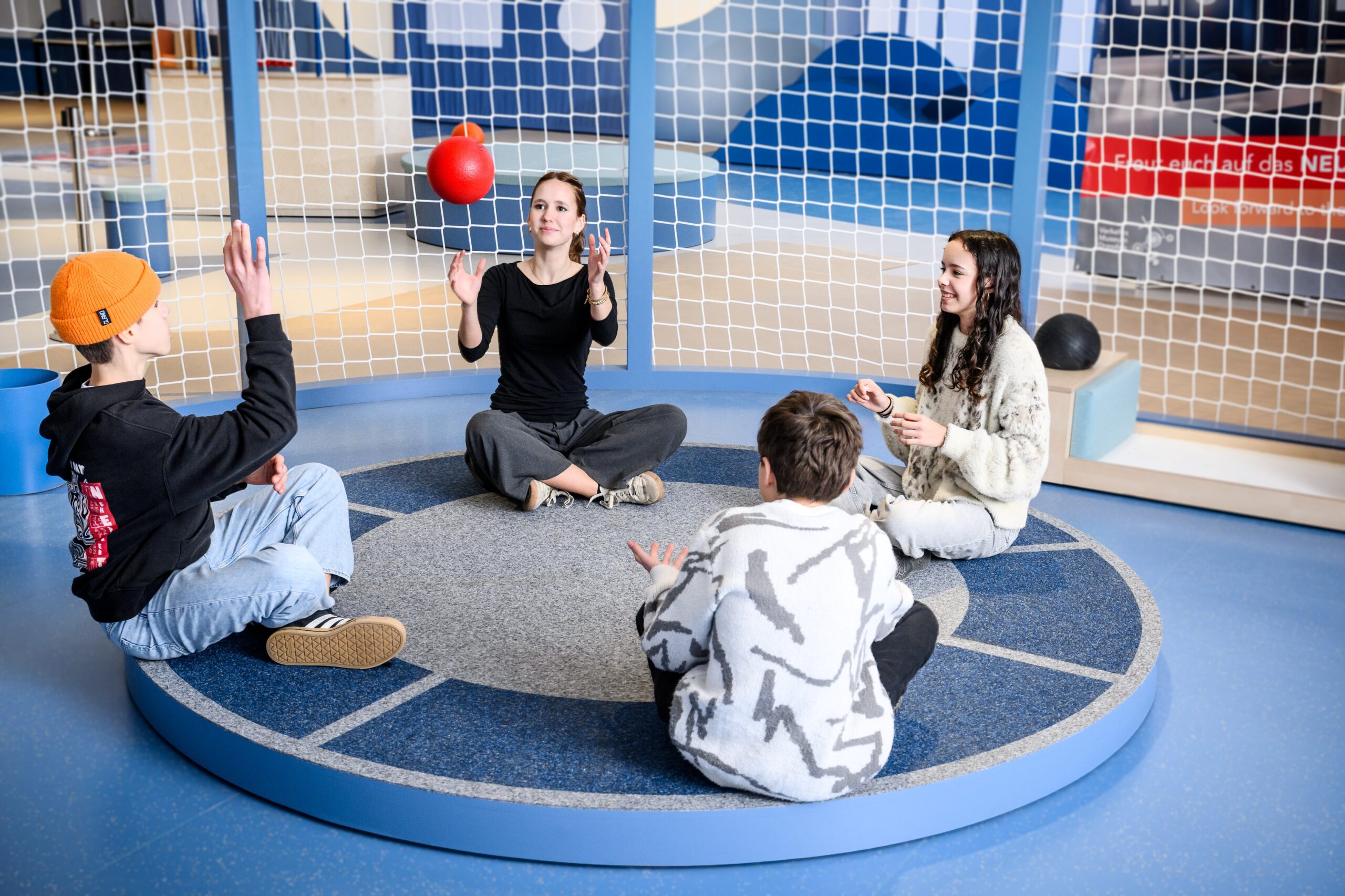
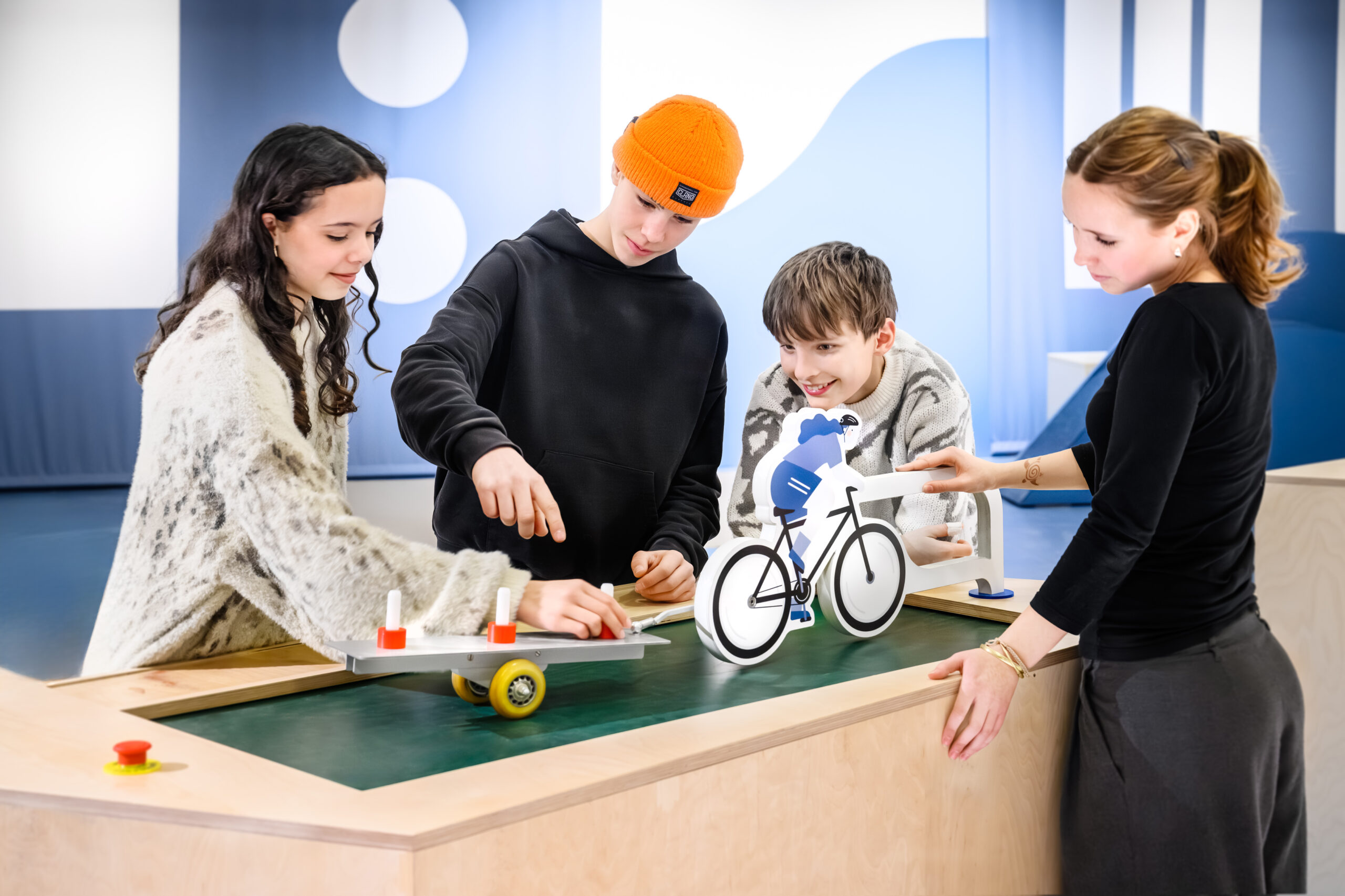
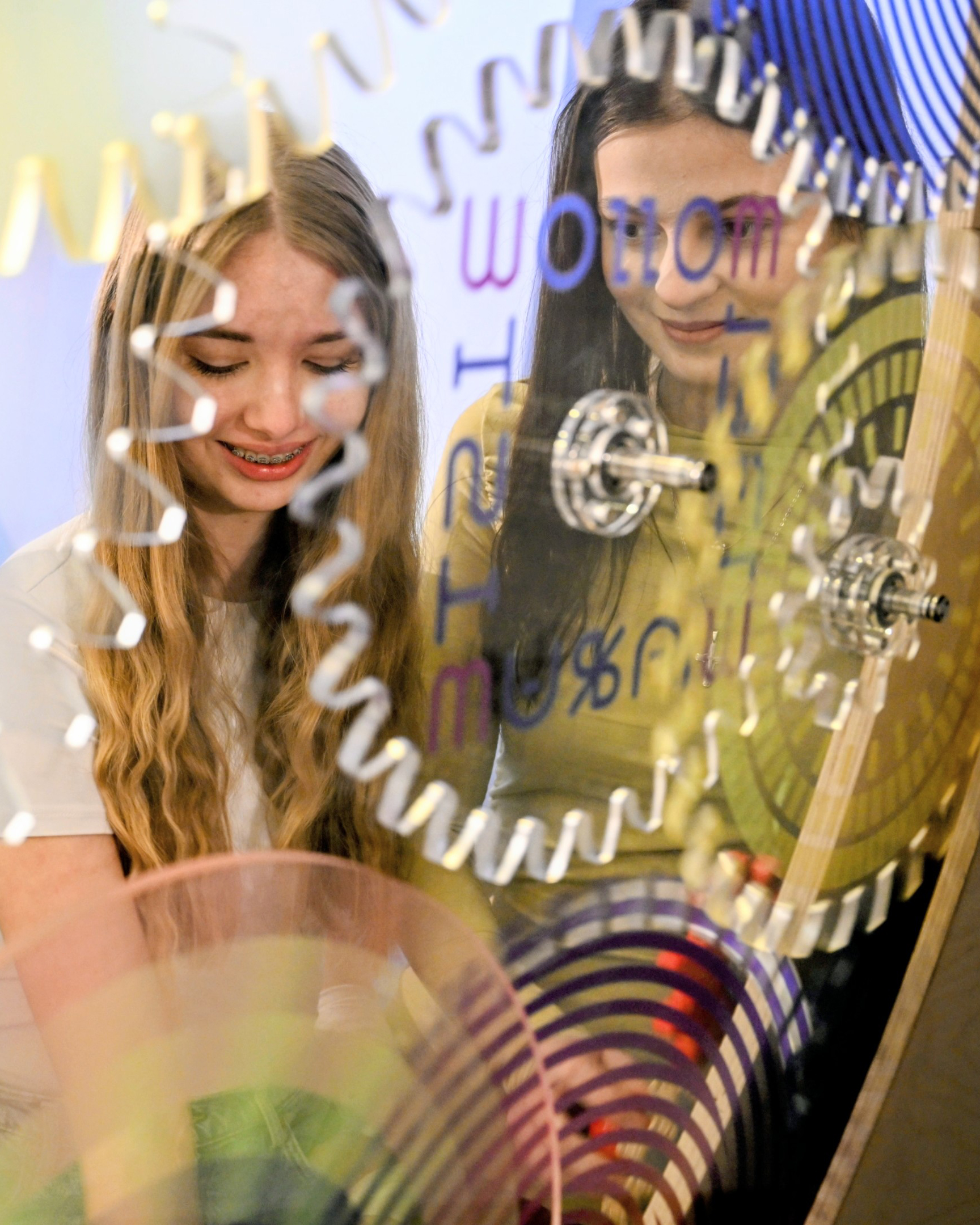
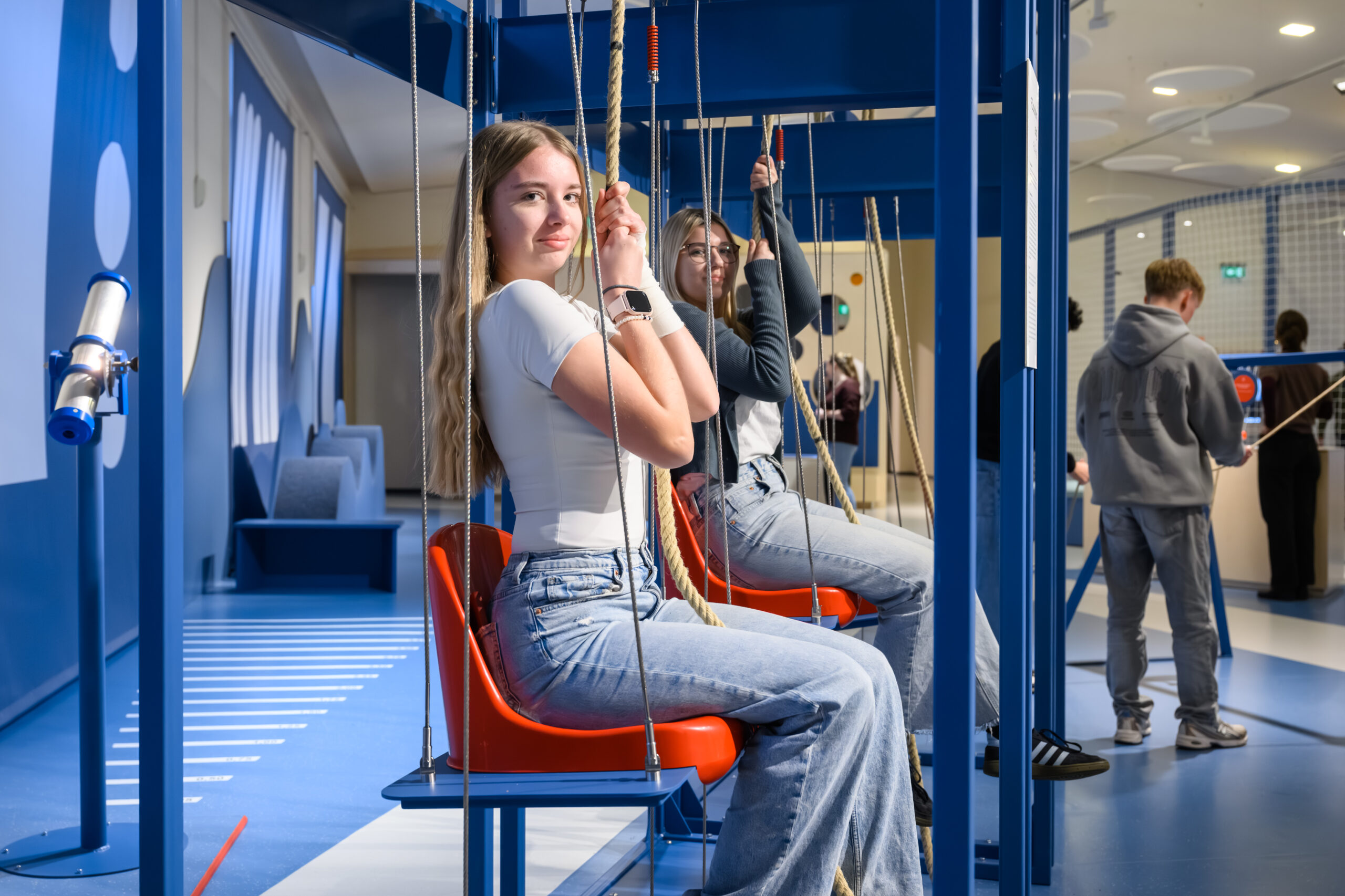
In the brand-new dyna mix lab, visitors will soon be able to explore the physical laws behind dynamics and mobility in a playful way. Numerous interactive exhibits – such as the pulley system demonstrating the golden rule of mechanics or the slide illustrating the principles of friction – repeatedly connect everyday experiences with physics. What drives our movement? How quickly do we actually react in dangerous traffic situations, and what consequences does that have? Here, visitors experiment with their whole body and literally grasp what movement is all about.



Hop on a Bobby Car and off you go! In the newly designed Transport Garden, young visitors encounter basic traffic rules in a setting that includes streets, rails, as well as pedestrian and bicycle paths. They also learn to recognize various traffic participants and signs. Everyday traffic situations with traffic lights, crosswalks, roundabouts, bus stops, and much more can be practiced in a playful way. Adults can keep an eye on their children from the comfort of the seats, which also serve as parking spaces for the bobby cars.


In clearly designing the new experiential world, we placed great emphasis on the use of sustainable materials. Durable wood for exhibits and seating, hard-wearing flooring – partly reused from existing materials and partly made of natural rubber – and acoustic panels made from recycled plastic bottles come together with the color concept to create a cohesive overall look. In addition, a large portion of the exhibits and furniture was produced directly on site in the museum’s own workshop. Local production, robust construction, and a conscious choice of materials all underscore the sustainable character of the new exhibition areas.
Photographs: studio klv, Verkehrsmuseum Dresden | Igor Semechin, Anja Schneider, Blend3/Frank Grätz
Conception and scenography
Design and planning
Project management and realisation
Client: Verkehrsmuseum Dresden gGmbH
Opening: January 2026 (dyna mix lab) und November 2024 (Transport Garden)
Exhibition area: 440 sqm
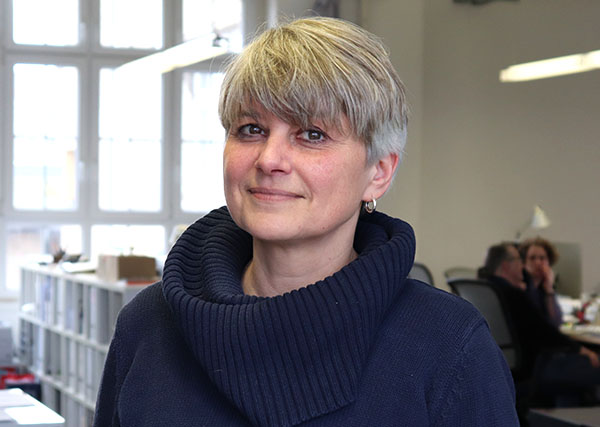
Jelena Blank
Head of Interaction